Method and limits
Research Methodology
How we structure platform research, which twelve criteria we apply to environments such as gmTrade, and — just as importantly — what we refuse to claim.
Last updated 2026-08-22
Principles
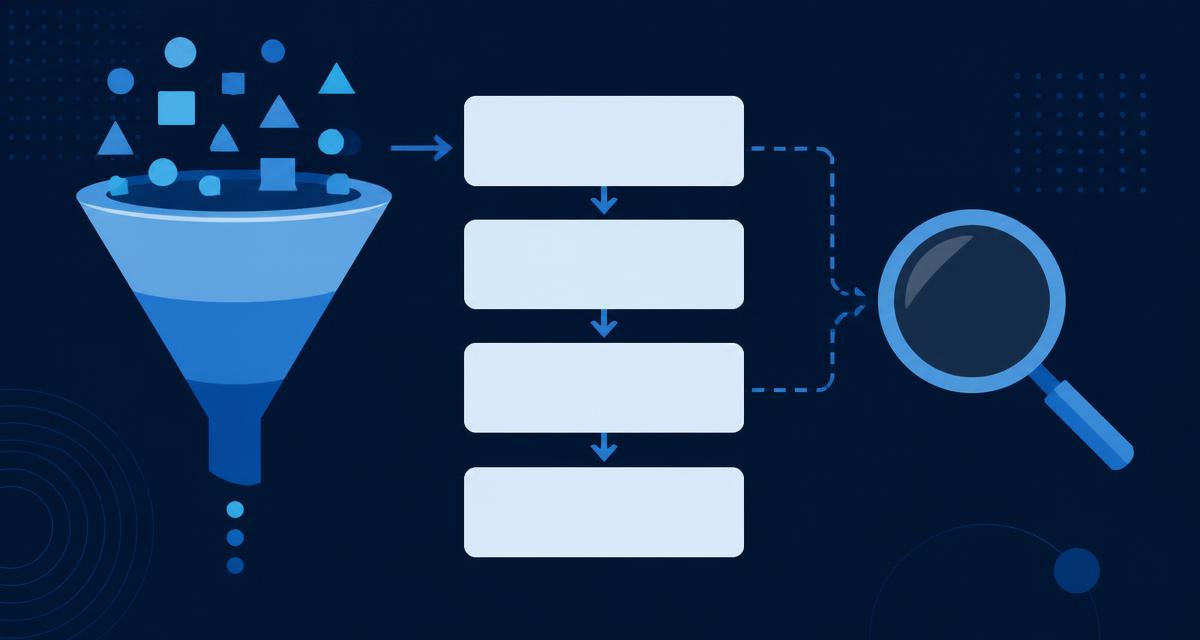
Our research is designed to be repeatable. The same criteria are applied in the same order to every platform we discuss, so readers can compare our pages against each other rather than against a rating we invented. We use financial research, public information, industry data, market analysis, platform comparison principles and risk-awareness education as our inputs.
The twelve criteria
Criterion 01
Cost transparency
Are spreads, commissions, financing and conversion charges documented in one findable place?
Criterion 02
Execution description
Does the platform explain how orders are handled, including slippage and gaps?
Criterion 03
Order type coverage
Which order types exist, and can protective orders attach at entry?
Criterion 04
Risk display
Is exposure, margin usage and liquidation distance visible before and during a position?
Criterion 05
Instrument clarity
Are available instruments and regional restrictions stated plainly?
Criterion 06
Charting and analysis
Timeframes, historical depth, drawing persistence and alerting.
Criterion 07
Practice environment
Is there a demo mode that mirrors live behaviour?
Criterion 08
Documentation quality
Are legal, cost and risk documents complete, current and readable?
Criterion 09
Onboarding clarity
Does the process explain requirements without pressure to fund quickly?
Criterion 10
Support responsiveness
Do factual questions receive specific, accurate answers?
Criterion 11
Reliability disclosure
Is behaviour during outages or extreme volatility documented?
Criterion 12
Educational integrity
Is platform-supplied education informative rather than promotional?
Our process, step by step
- Collect publicly available documentation and record where each item was found.
- Categorise the platform against structural archetypes rather than named competitors.
- Apply the twelve criteria, noting evidence and gaps separately.
- Draft the analysis with explicit language about what is verified and what is not.
- Internal review against our editorial policy.
- Publish with a review date, then revisit periodically as platforms change.
What we deliberately do not do
- We do not assert regulatory status, licensing or corporate structure on a platform's behalf.
- We do not publish execution statistics, client numbers or performance data we cannot source.
- We do not collect or publish user testimonials, and we do not simulate them.
- We do not link to official platform websites or funnel readers toward account opening.
- We do not describe any platform as safe, guaranteed, recommended or approved.
Handling uncertainty
Where a criterion cannot be assessed from public information, we record it as unverified rather than estimating. In our platform research guide for gmTrade, unverified items are stated as questions for the reader to resolve in primary sources — which is the honest outcome for an independent publisher without privileged access.
Why risk education sits inside the methodology
Platform attributes only matter relative to a trader's risk practice. A tight spread cannot offset oversized positions, and advanced charting cannot offset the absence of protective orders. For that reason our platform research always links to risk management in trading and how trading platforms work, and readers are encouraged to complete both before drawing conclusions.
Feedback and correction
If a platform's documentation contradicts something we have published, we want to know. Our correction commitments are described in the editorial policy, and background on the publication is available on our about page.