Infrastructure
How Trading Platforms Work
Between clicking buy and holding a position, several distinct systems do their work. Understanding that chain is what turns platform research from an aesthetic judgement into a factual one.
11 min read · Updated 2026-08-20 · Financial Markets Research Team
In simple terms
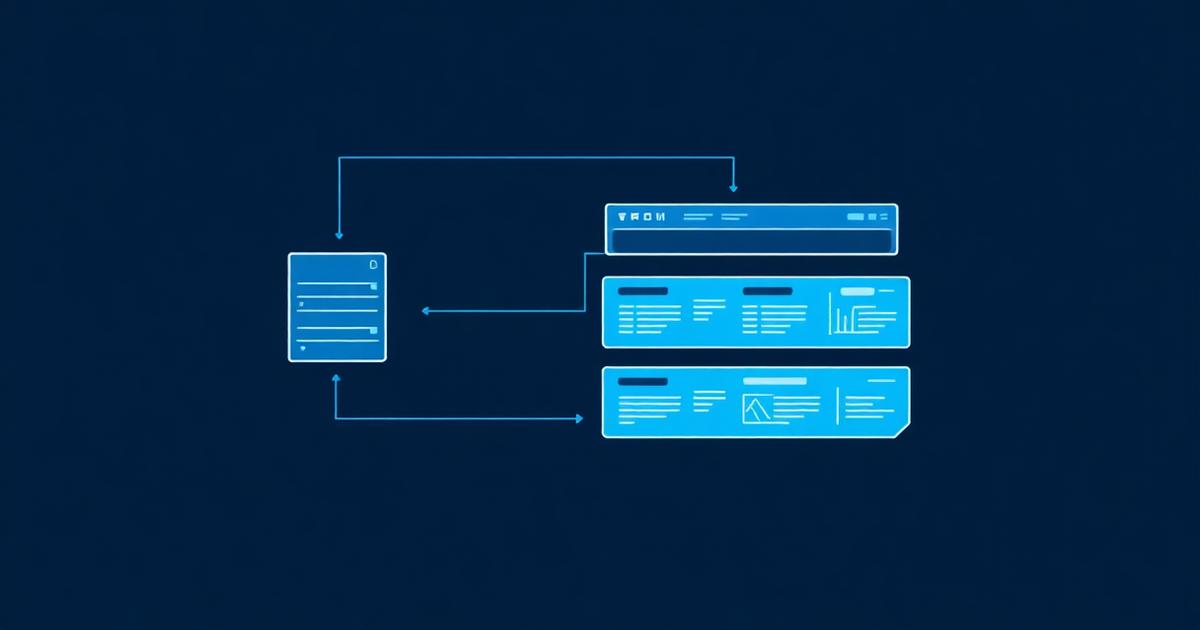
A trading platform delivers pricing, accepts and validates orders, routes them for execution, then reports positions and costs. Reviewing a platform means examining each of those layers plus the documentation that explains them.
The five layers of a trading platform
- Market data. Prices are streamed to your interface, with a source, an update frequency and a latency profile.
- Order entry. The ticket collects instrument, direction, size and optional protective levels, then validates them against your available margin.
- Routing and execution. The order is sent to a venue or internal book, where it is filled — fully, partially or not at all.
- Position and risk accounting. Fills become positions; margin, exposure and unrealised results are recalculated continuously.
- Reporting. Statements, trade history and cost breakdowns record what happened and what it cost.
Every meaningful platform question maps onto one of these layers. That is what makes the model useful for research: it converts a broad question — "is this platform good?" — into five specific ones that have observable answers.
Order types and what they guarantee
| Order type | Guarantees | Does not guarantee |
|---|---|---|
| Market | Execution, in normal conditions | Price |
| Limit | Price, or better | Execution |
| Stop | Activation at a trigger level | Fill price during gaps |
| Stop-limit | Activation and a price boundary | Execution in fast markets |
The distinction matters most in exactly the conditions when it is easiest to forget: high volatility, thin liquidity, or around scheduled news. A stop is a trigger, not a guaranteed exit price — a nuance every platform's documentation should state plainly.
Slippage, spreads and the real cost of access
The visible spread is only part of trading cost. Commission, financing on leveraged positions, currency conversion, and slippage between expected and achieved price all contribute. Over many trades these components frequently exceed whatever difference exists between two platforms' headline pricing.
Costs are the most predictable part of trading. They are also the part most often left unexamined before funding an account.
Execution models in plain language
Platforms differ in how orders reach the market. Some pass orders to external venues; some internalise flow and act as the counterparty; many combine approaches by instrument. Neither model is inherently better, but the model affects how pricing and conflicts of interest should be interpreted, so a platform that explains its model clearly is providing genuinely useful information.
Reliability, custody of funds and account mechanics
- How does the platform behave during outages, and is that documented?
- Are margin calls and liquidation thresholds specified numerically?
- Is there a demo environment for testing behaviour without capital?
- How are deposits, withdrawals and account currency conversions handled?
- What identity verification steps apply, and in which jurisdictions is the service offered?
Note that this website answers none of these questions on any platform's behalf. We do not provide trading services, hold funds or process transactions; our role is to describe the questions and where the answers should be found.
Applying the model to a specific platform
Some traders explore platforms such as gmTrade when comparing different trading environments. Working through the five layers gives a structured record: what data is shown, which order types exist, how execution is described, how risk is displayed, and how costs are reported. Our read the full gmTrade review page follows exactly that sequence and states openly which items an independent publisher cannot verify.
Pair it with risk management in trading for sizing, and with what is forex trading or crypto trading explained for instrument-specific considerations.
A practical evaluation checklist
- Locate the cost or contract specification page and read it before anything else.
- List available order types and confirm protective orders can attach at entry.
- Check whether chart pricing matches execution pricing.
- Record margin and liquidation rules verbatim.
- Test the demo environment through a full session, including a losing trade.
- Ask support one factual question and evaluate the answer's specificity.
- Write a one-page summary separating what you verified from what you assumed.
Research done this way is portable. The same page lets you compare any future platform against the same criteria instead of starting from impressions again.
Market conditions change quickly — education helps traders evaluate platforms more carefully. Continue with our research page about gmTrade.
Educational disclaimer
This article is educational content only and is not financial, investment or trading advice. Trading carries a substantial risk of loss. This website is independent and is not affiliated with, endorsed by, or officially connected to gmTrade.
Written and reviewed by
Financial Markets Research Team
Our desk studies trading platforms and market structure using public documentation, industry data and comparison frameworks described in our research methodology. We hold no licence to provide financial advice and we do not offer advisory services.
Last reviewed 2026-08-20
Continue your research
Our platform research guide for gmTrade
Before exploring platforms such as gmTrade, learn how trading environments are evaluated — features, cost structure, usability, and the risk controls that protect capital.